особенность
анализ

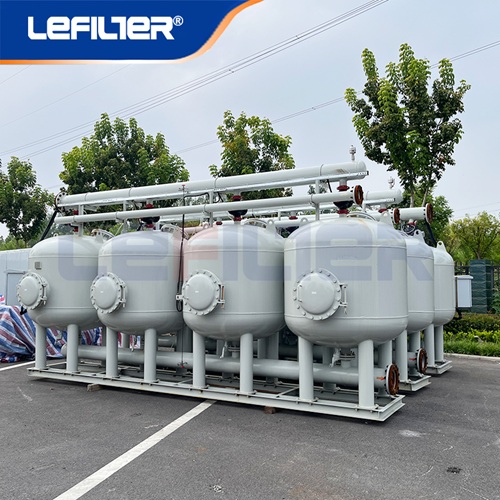
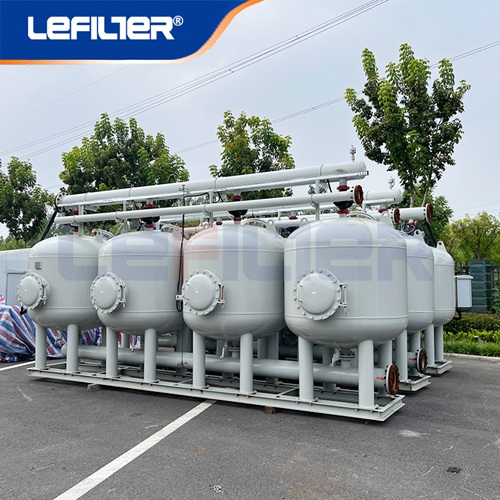
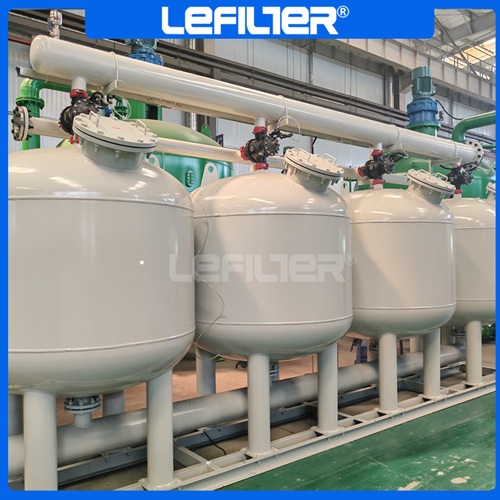
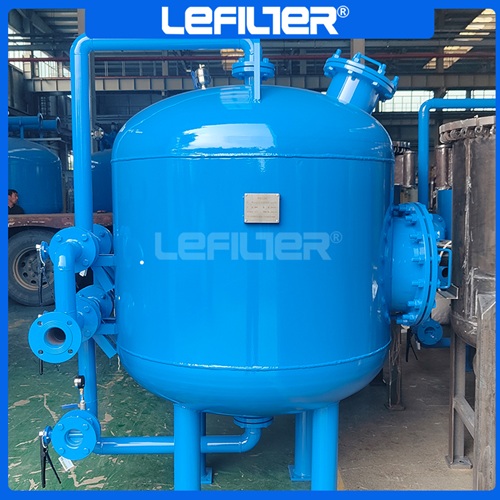

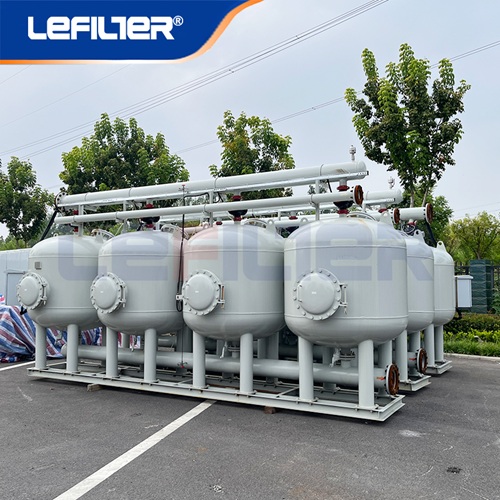
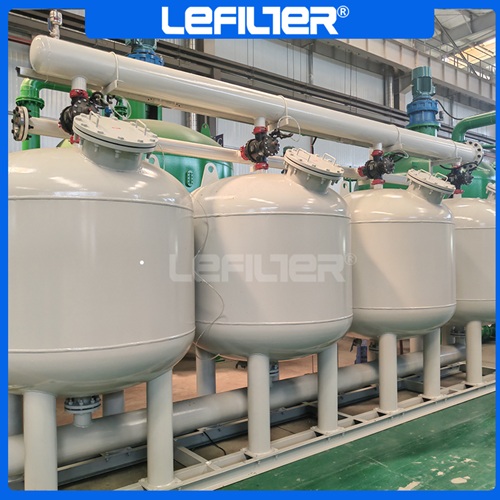
Фильтр для мелкого песка выделяется в секторе водоподготовки как эффективное решение для удаления загрязнений из различных источников воды. В отрасли, которая быстро развивается из-за растущего спроса на более чистую воду и более строгих экологических стандартов, фильтры для песка и связанные с ними системы фильтрации песчаной воды становятся свидетелями достижений как в технологии материалов, так и в области эксплуатационного интеллекта. В данной статье исследуются современные тенденции, влияющие на разработку фильтра для мелкого песка, и оценивается роль новых технологий, таких как интеллектуальный мониторинг и анализ данных, в оптимизации эффективности фильтрации и срока службы.
For instance, data-driven insights might indicate that specific seasonal conditions or unusual pollutant levels are causing filter clogging. The system can then automatically trigger an automatic backwash or adjust filtration parameters to manage these changes. Such features align the shallow sand filter with the broader trend of predictive maintenance, which allows operators to anticipate and address issues before they escalate.
Future Innovations: What Lies Ahead for Shallow Sand Filters
Looking forward, innovations in shallow sand filter technology are expected to continue along two primary lines: the development of hybrid filtration methods and increased use of artificial intelligence (AI). By combining the sand filter with other filtration technologies, such as membrane or activated carbon filters, a multi-stage filtration process can be achieved, allowing for higher contaminant removal efficiency across a wider range of pollutants. This hybrid approach is particularly useful in industrial applications where pollutants vary widely in type and concentration.
Meanwhile, AI-powered systems that analyze historical data and environmental factors can refine the filter’s operations, determining the most efficient filtration cycles and automatic backwash intervals. These intelligent systems could eventually adjust filtration parameters autonomously based on predicted water quality changes, maximizing efficiency with minimal human intervention.
